Water Footprint Analysis of Industrial Hemp vs. Traditional Crops in Arid Australian Regions
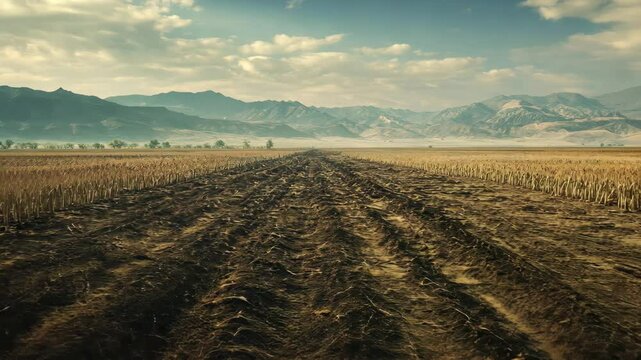
Australia’s vast arid and semi-arid regions, which encompass over 70% of the continent, present an enduring and increasingly critical challenge for agricultural sustainability. Within these sun-baked landscapes, water scarcity is not merely a characteristic but a defining constraint, making efficient water use the paramount consideration for any viable crop. As global environmental pressures intensify, driven by climate change and burgeoning populations, the demand for truly sustainable agricultural practices grows more urgent. Industrial hemp (Cannabis sativa L.) has emerged from relative obscurity to become a crop of significant interest. Its multifaceted potential as a source of fibre, nutritious seed, and beneficial cannabinoids has spurred increased cultivation across various parts of Australia. However, before widespread adoption, a rigorous analysis of its water footprint, particularly against established traditional crops in water-stressed environments, is absolutely essential for informed decision-making and long-term ecological health.
The historical reliance on water-intensive crops in some of Australia’s driest regions has often led to unsustainable practices, depleting precious blue water resources and impacting delicate ecosystems. The quest for alternatives that can deliver economic viability without exacerbating environmental strain has never been more pressing. Industrial hemp, with its reputation for hardiness and diverse applications, offers a compelling narrative. But to move beyond anecdotal enthusiasm, we must examine the empirical data, understanding precisely how much water this versatile plant truly demands, and how that demand compares against agricultural incumbents.
Understanding Water Footprints in Agriculture
The concept of a water footprint provides a comprehensive framework for quantifying the total volume of fresh water consumed or polluted to produce a good or service. This powerful tool moves beyond simple irrigation figures to offer a holistic perspective on water usage. This footprint is disaggregated into three distinct, yet interconnected, components: green water, blue water, and grey water. Green water refers to the rainwater that is stored in the soil as moisture and is directly available to plants. While crucial for rain-fed agriculture, its availability depends heavily on unpredictable rainfall patterns and the water retention capabilities of the soil, making it an inconsistent resource in arid and semi-arid zones.
Blue water, on the other hand, represents the volume of surface and groundwater that is evaporated or incorporated into a product. For agriculture in arid and semi-arid regions, the blue water footprint is often the most critical and contentious metric. It directly quantifies the extraction of scarce, often non-renewable, water resources for irrigation, which can have profound environmental consequences such as river depletion, aquifer drawdown, and associated ecological damage. Finally, grey water is defined as the volume of freshwater required to assimilate pollutants to meet specific water quality standards. While often overlooked, it accounts for the environmental cost of agricultural runoff containing fertilisers and pesticides.
Traditional broadacre crops such as cotton, rice, and certain cereal grains have historically been cultivated in parts of arid Australia, often relying heavily on extensive irrigation from major river systems like the Murray-Darling Basin and groundwater aquifers. These practices, while economically productive for decades, have, in numerous instances, contributed significantly to environmental concerns such as river depletion, altered flow regimes, salinisation of soils, and degradation of aquatic habitats. The ghost of the Aral Sea, a stark global example of unsustainable water management for agriculture, serves as a potent reminder of the perils of mismanaging blue water resources. Evaluating the water demands of alternative crops like industrial hemp against these established benchmarks is therefore not just an academic exercise but an essential step for shaping informed agricultural policy, fostering sustainable land management practices, and ensuring the long-term viability of Australian agriculture in a changing climate.
The blue water footprint, representing direct irrigation, is a critical metric for assessing agricultural sustainability in water-stressed regions, highlighting the direct extraction of often finite resources.
Industrial Hemp’s Water Requirements
Industrial hemp is generally lauded as a relatively water-efficient crop compared to some of its more water-intensive agricultural counterparts. This reputation is underpinned by several key physiological characteristics. One of the most significant is its robust and deep taproot system. This extensive root network allows the plant to access water from deeper soil profiles, often beyond the reach of shallower-rooted crops. This natural ability can potentially reduce the need for supplemental surface irrigation, particularly once the plant is well-established, as it can draw upon sub-surface moisture reserves. This is a considerable advantage in environments where surface water is scarce or prone to rapid evaporation.
Numerous studies from various global regions, including Europe, North America, and parts of Asia, consistently suggest that hemp can thrive with moderate water input. These studies often indicate that industrial hemp requires significantly less water than notoriously thirsty crops like cotton or rice over its entire growth cycle, which typically ranges from 90 to 120 days depending on the variety and intended end-use (fibre, seed, or dual-purpose). For instance, some research suggests hemp’s water demand can be 50-70% less than cotton, a figure that, if replicated consistently in Australia, would represent a monumental shift in water resource allocation.
In the specific Australian context, where industrial hemp cultivation is legally permissible under state and territory regulations, primarily for fibre, seed, or low-THC cannabinoid production, distinct from medicinal cannabis which is federally regulated via prescription, understanding its specific water requirements for the highly diverse arid-zone soil types and microclimates is absolutely crucial. While anecdotal evidence from early adopters and preliminary trials conducted by agricultural departments and universities suggest its adaptability and drought tolerance, comprehensive, peer-reviewed data tailored to Australia’s unique and diverse arid agricultural zones remains an ongoing and critical area of research. Farmers considering industrial hemp cultivation must factor in not only global averages but also the highly localised climatic variability, soil moisture retention capabilities, and the specific variety of hemp chosen. For example, a fibre variety might have different water needs than a grain variety. Moreover, the stage of growth is paramount: while early establishment might require some careful irrigation, mid-to-late vegetative stages might be sustained by deeper soil moisture if available.
Comparing Hemp with Traditional Arid-Zone Crops
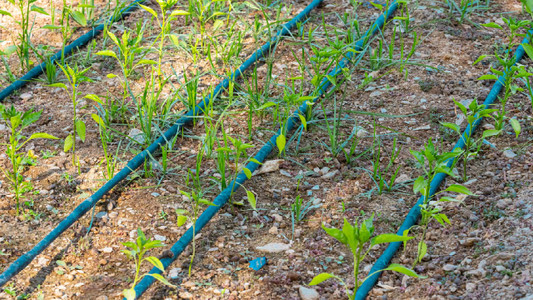
Direct comparison between industrial hemp and traditional, well-established crops in Australia’s arid and semi-arid regions reveals significant and often stark differences in water usage patterns. Cotton, for instance, is globally renowned for being notoriously water-intensive. In irrigated systems, its blue water footprint is substantial, with global averages often citing figures ranging from 8,000 to 10,000 litres of water per kilogram of lint, though modern, highly efficient systems can bring this down. In Australia, particularly in regions like the Murray-Darling Basin, cotton’s historical reliance on vast volumes of surface water has been a persistent point of contention and environmental debate, contributing to river health issues and water allocation disputes. While advancements in precision irrigation techniques, such as drip irrigation and varietal improvements, have certainly enhanced cotton’s water use efficiency, it remains a crop with a high demand for blue water inputs.
Cereal grains like wheat and barley, staples of Australian agriculture, are generally more water-efficient than cotton, especially as dryland crops in higher rainfall zones. However, in low-rainfall arid environments, supplementary irrigation is often indispensable to ensure viable and economically predictable yields. Even with relatively efficient water use, the sheer scale of cereal cultivation means their cumulative water footprint is immense. Industrial hemp, with its comparatively shorter growing cycle (often 3-4 months versus 5-7 months for some cereals) and its demonstrated capacity for dryland farming in certain conditions, meaning it can produce a crop solely on rainfall and stored soil moisture, makes it an intriguing candidate for crop rotation or as a primary crop in areas where blue water resources are severely constrained or becoming increasingly expensive. This does not imply zero water use; rather, it suggests a potentially significantly lower dependency on intensive, high-volume irrigation. For example, in regions where annual rainfall might be marginal for dryland wheat, hemp might still yield a respectable crop, reducing the need to tap into limited groundwater or river allocations. This shift could free up valuable blue water resources for other critical uses, both environmental and agricultural.
Industrial hemp often exhibits a shorter growing cycle and can demonstrate lower blue water dependency compared to crops like cotton or intensively irrigated cereals, offering a potential pathway to water conservation.
Implications for Sustainable Agriculture in Arid Regions
The potential for industrial hemp to contribute meaningfully to more sustainable agricultural practices in Australia’s arid and semi-arid regions is considerable and extends beyond its water efficiency. By offering a crop that may demand less irrigation than certain traditional alternatives, it directly contributes to the conservation of precious blue water resources, which is fundamental for ecological health and long-term agricultural viability. This water-saving capacity alone positions hemp as a valuable component in a diversified and resilient agricultural system.
Furthermore, industrial hemp’s benefits extend into other critical aspects of environmental sustainability. Its deep root system, as previously mentioned, is not just about accessing water; it also improves soil health. These roots can penetrate compacted soils, enhancing soil structure, increasing aeration, and improving water infiltration and retention. This natural tilling action can also help break disease cycles and reduce the need for synthetic fertilisers and pesticides, especially in rotation systems. Moreover, hemp is an efficient carbon sequesterer, drawing atmospheric carbon dioxide into its biomass and roots, contributing to climate change mitigation efforts. The versatility of its products, from sustainable textiles, biodegradable building materials (hempcrete), and bioplastics to highly nutritious food products (seeds and oil) and therapeutic cannabinoids, also provides diverse economic opportunities. This multi-product potential can offer farmers greater financial stability and create new value chains for regional communities, fostering economic resilience in areas often prone to boom-and-bust cycles associated with single-commodity agriculture.
However, the transition to widespread industrial hemp cultivation in these challenging regions is not without its hurdles. It necessitates robust, context-specific research into optimal cultivation practices for the myriad of Australian arid-zone conditions, including varietal selection, optimal planting times, nutrient requirements, and integrated pest management strategies tailored to local biomes. Significant investment in processing infrastructure, from decortication facilities for fibre to oil presses for seeds, is crucial to transform raw biomass into marketable products, preventing a bottleneck in the value chain. Clear and stable market pathways for its various outputs are also essential to provide farmers with confidence and economic security. Regulatory frameworks, particularly regarding THC limits and cultivation licenses, are already well-established at state and territory levels, allowing for its legal production as an industrial crop, which is a significant advantage. However, ongoing dialogue between industry, research, and government will be vital to ensure these frameworks remain agile and supportive of innovation. Any agricultural expansion, no matter how promising, must proceed with careful planning, integrated research, and community engagement to ensure both environmental and economic sustainability are truly realised.

The rigorous analysis of industrial hemp’s water footprint within Australia’s arid and semi-arid regions paints a picture of a promising alternative for farmers grappling with increasing water scarcity and the pressures of climate change. While it is certainly not a panacea for all agricultural challenges, its comparative water efficiency, coupled with its profound versatility and numerous ecological benefits, presents a compelling case for its strategic inclusion in diversified farming systems. To fully realise industrial hemp’s potential as a truly sustainable crop in these challenging environments, continued, targeted research into Australian-specific conditions is paramount. Alongside this, comprehensive farmer education and extension services will be vital to equip producers with the knowledge and skills needed for successful cultivation. Finally, strategic policy support, including incentives for sustainable practices and investment in regional infrastructure, will be instrumental in fostering its growth, ultimately contributing to both environmental resilience and robust regional economic development across the continent.