Hemp Bioremediation in Australian Agricultural Landscapes: A Phytoremediation Potential Study
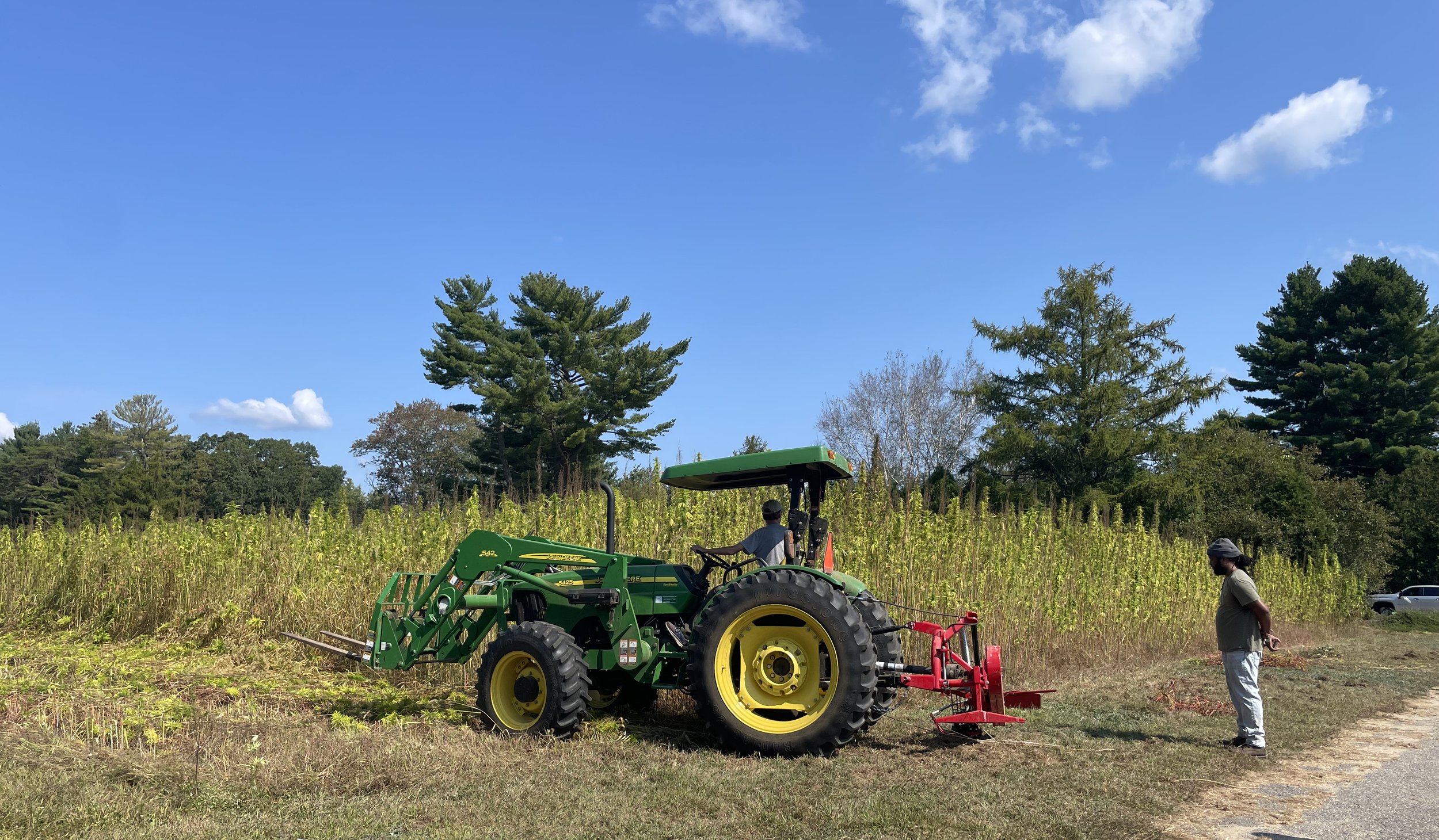
The Australian agricultural sector faces ongoing challenges related to soil degradation and contamination, stemming from historical land use practices, intensive farming, and industrial activities. Heavy metals, pesticides, and hydrocarbons can persist in the environment, posing risks to ecosystem health and agricultural productivity. Conventional remediation methods are often costly, disruptive, and can have secondary environmental impacts. Phytoremediation, the use of plants to extract, sequester, or detoxify contaminants, offers a promising, ecologically sound alternative. Hemp (Cannabis sativa L.), with its rapid growth, extensive root system, and notable ability to tolerate and accumulate various pollutants, presents itself as a compelling candidate for this green technology within Australian landscapes.
Understanding Phytoremediation and Hemp’s Role
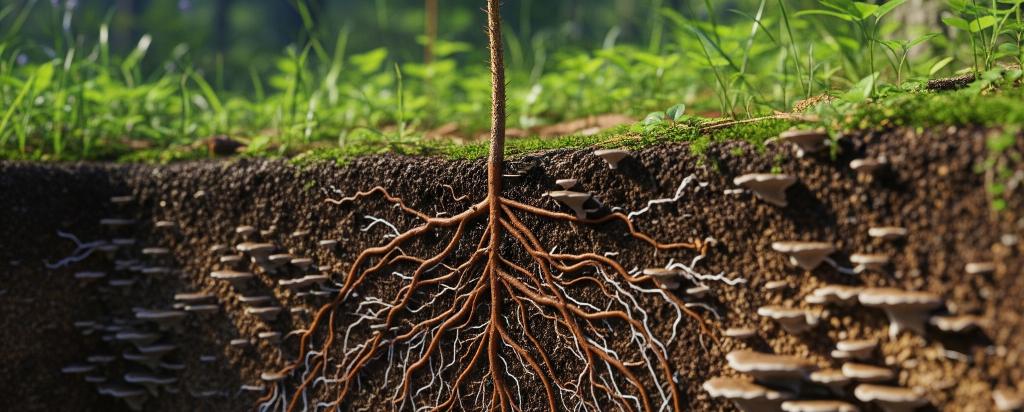
Phytoremediation encompasses several mechanisms. Phytoextraction involves plants absorbing contaminants through their roots and translocating them to their above-ground biomass, which can then be harvested and safely disposed of. Phytostabilisation reduces the mobility and bioavailability of contaminants in the soil, often by root exudates or by forming a dense vegetative cover. Phytodegradation refers to the breakdown of organic pollutants by plant enzymes or associated microorganisms in the rhizosphere. Hemp’s robust physiology makes it particularly suited to phytoextraction due to its high biomass production and capacity to take up heavy metals like cadmium, lead, and nickel, as well as certain organic pollutants.
The plant’s deep taproot system allows it to access contaminants in deeper soil layers that might be inaccessible to other species. Hemp thrives in a range of soil types and climatic conditions, making it adaptable to diverse Australian agricultural regions. Its ability to grow without extensive fertilisation or irrigation further enhances its appeal as a cost-effective and sustainable remediation tool. The potential co-benefit of biomass production, which can be utilised for fibres, building materials, or bioenergy, adds another layer of economic viability to its application in contaminated sites.

Australian Regulatory Context for Hemp Cultivation
In Australia, the cultivation of industrial hemp is regulated at both federal and state/territory levels. Licensing is required for growers, with strict controls on tetrahydrocannabinol (THC) content, typically limited to 0.35% in dried flowers and leaves, to distinguish it from cannabis grown for psychoactive purposes. These regulations ensure that hemp grown for industrial applications, including bioremediation, remains within defined legal parameters. The specific requirements for licensing, reporting, and site inspection vary by jurisdiction, but all aim to prevent diversion and ensure compliance with national drug control policies.
For agricultural landholders considering hemp for bioremediation, understanding these regulatory frameworks is essential. Engagement with state agricultural departments and licensing bodies is required before initiating any cultivation. The focus of these regulations is on the agricultural product itself, rather than specifically on its use for environmental remediation, but compliance is non-negotiable regardless of the end-use. This structured approach helps integrate hemp cultivation into existing agricultural practices while maintaining public safety and regulatory integrity.
“Hemp’s remarkable capacity for rapid growth and high biomass accumulation, coupled with its proven ability to take up and sequester various heavy metals, positions it as a front-runner for sustainable land remediation strategies in Australia.”
Addressing Practical Challenges and Future Research Directions
The potential of hemp bioremediation is significant, but practical implementation in Australian agricultural landscapes presents several considerations. The specific type and concentration of contaminants in the soil will influence the effectiveness of hemp. Soil pH, nutrient availability, and microbial activity are also crucial factors that can impact uptake efficiency. Tailoring cultivation practices, such as choosing appropriate hemp cultivars and optimising planting density, will be necessary to maximise remediation outcomes for specific sites.
Research is needed to refine our understanding of optimal growing conditions for hemp in various contaminated Australian soils. Studies focusing on the long-term efficacy of phytoextraction for different contaminant profiles, the fate of contaminants in harvested biomass, and the potential for re-releasing pollutants during biomass processing are vital. Exploring the synergistic effects of hemp with other phytoremediation species or microbial interventions could enhance overall remediation efficiency. Collaboration between researchers, agricultural bodies, and land managers will be key to developing robust, evidence-based remediation protocols.
Current research gaps include understanding how different Australian soil types affect hemp’s uptake capacity, determining optimal harvest timing for maximum contaminant removal, and establishing safe disposal methods for contaminated plant material. Field trials across various climatic zones would provide crucial data for developing region-specific cultivation guidelines. The interaction between hemp and native soil microorganisms also requires investigation, as these relationships could significantly influence remediation success rates.
Economic Viability and Community Engagement
The economic viability of hemp bioremediation extends beyond just environmental benefits. The ability to generate saleable biomass for construction materials like hempcrete, textiles, or bioplastics can offset the costs of remediation, making it a more attractive option for landholders. This value-added approach is particularly relevant in agricultural settings where land productivity is a primary concern. Developing robust markets for hemp biomass derived from remediation projects will be crucial for widespread adoption.
The economics become more complex with contaminated biomass, which may require special processing or disposal methods. Research into safe utilisation pathways for contaminated hemp biomass is ongoing, with some studies suggesting that certain contaminants may be concentrated in specific plant parts, allowing for selective harvesting. This could enable the use of clean portions for commercial purposes while safely disposing of contaminated material.
Community engagement and education are vital components. Dispelling misconceptions about industrial hemp and highlighting its environmental benefits can foster greater acceptance and support for its use in remediation efforts. Demonstrating successful projects and transparently communicating the scientific basis and regulatory safeguards will build trust. Educating farmers, agricultural advisors, and local communities about the potential of hemp to revitalise degraded land can pave the way for its broader integration into sustainable land management practices across Australia.
“The co-production of valuable biomass from hemp cultivated on contaminated sites offers a compelling economic incentive, transforming a remediation cost into a potential revenue stream for Australian landholders.”
Several pilot projects across Australia are already testing hemp bioremediation in real-world conditions. These initiatives provide valuable data on implementation challenges, from regulatory compliance to market development for remediation-derived biomass. Early results suggest that while hemp shows promise for certain types of contamination, success depends heavily on site-specific factors and careful project management.
The application of hemp in bioremediation represents a compelling intersection of environmental sustainability, agricultural innovation, and economic opportunity within Australia. By leveraging the natural capabilities of this versatile plant, we can address persistent challenges of soil contamination in a manner that is both ecologically sound and economically attractive. Continued research, clear regulatory frameworks, and proactive community engagement will be essential to fully realise the potential of hemp bioremediation as a significant tool in the ongoing effort to restore and maintain the health of Australian agricultural landscapes for future generations.