Hemp Protein Isolate: Digestibility and Amino Acid Score in Australian Dietary Applications
The rising interest in plant-based proteins has brought hemp into sharp focus as a sustainable and nutritious alternative, particularly within Australian dietary patterns. As consumers seek functional foods and supplements, the nutritional efficacy of hemp protein demands serious examination. This analysis examines hemp protein isolate’s specific attributes, focusing on digestibility and amino acid score—critical metrics for assessing protein quality in human nutrition. For Australian food manufacturers and health-conscious individuals, these characteristics can inform product development and dietary choices, supporting the growing demand for plant-derived options that promote wellness and sustainable food systems.
Understanding Protein Quality
Protein quality extends far beyond the quantity present in any food item—bioavailability and amino acid profile determine true nutritional value. Digestibility measures the proportion of ingested protein that the body actually absorbs, serving as a primary factor. A protein might contain abundant amino acids, but poor digestion renders its nutritional value nearly worthless. This proves particularly relevant for plant-based proteins, which often show lower digestibility than animal proteins due to antinutritional factors or complex fiber structures.
The amino acid score, typically based on the Protein Digestibility Corrected Amino Acid Score (PDCAAS) or the Digestible Indispensable Amino Acid Score (DIAAS), provides more precise measurement. These scores compare the indispensable amino acid content of a protein to a reference protein, usually based on human requirements, then correct for digestibility. Higher scores indicate proteins that better meet human amino acid needs and achieve more efficient utilization by the body.
Hemp Protein Isolate Processing and Composition
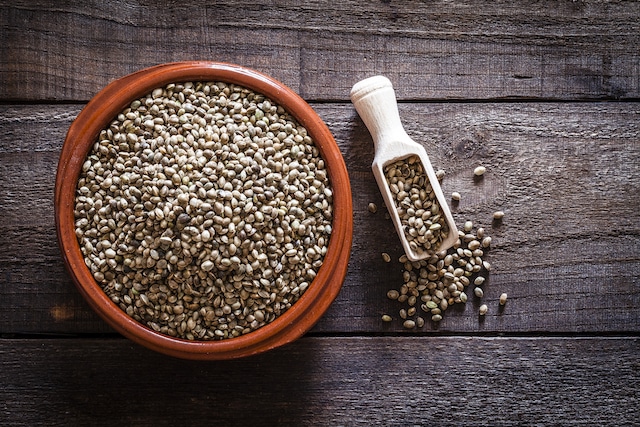
Hemp protein isolate (HPI) represents a highly refined form of protein extracted from hemp seeds. The production process involves de-hulling the seeds, defatting them to remove oil, then extracting the protein component through aqueous or salt extraction methods followed by precipitation and drying. This process increases protein concentration while reducing carbohydrates, fats, and antinutritional factors present in whole hemp seeds or less refined hemp protein powders.
The resulting HPI typically contains protein levels exceeding 90%, creating a concentrated source. Unlike whole hemp flour or concentrate, HPI shows significantly reduced fiber content. This reduction proves critical for improving digestibility, as high fiber levels can impede protein absorption. The precise composition of HPI varies depending on hemp cultivar, growing conditions, and extraction techniques employed, but the general aim produces a product with neutral flavor profile and high protein purity.
“Hemp protein isolate offers a promising plant-based protein source with a high protein concentration and a favourable amino acid profile, particularly when processing optimises digestibility.”
Digestibility of Hemp Protein Isolate
Research into hemp protein digestibility shows that while whole hemp seed protein demonstrates varying digestibility, the isolation process significantly enhances this characteristic. By removing much of the fiber and other complex matrix components, HPI becomes more accessible to digestive enzymes. Studies, often conducted in vitro or using animal models, indicate that HPI can achieve digestibility values comparable to other well-regarded plant proteins, such as soy or pea isolates.
The specific protein fractions within hemp—primarily edestin and albumin—are known for their high solubility and globular structure, characteristics generally associated with good digestibility. Edestin, a globulin protein, constitutes a significant portion of hemp seed protein and shows structural similarity to protein found in human blood plasma, suggesting good biological compatibility. These proteins, concentrated and purified in isolate form, maximize their inherent digestibility, offering valuable dietary protein for a broad range of consumers.
Amino Acid Profile and Scoring
The amino acid profile of hemp protein isolate qualifies as complete, containing all nine indispensable amino acids required by humans. While it contains lower lysine levels compared to some animal proteins, and less methionine and cysteine compared to soy, it shows notably rich arginine content. Arginine functions as a conditionally indispensable amino acid, especially important for certain physiological functions.
Evaluation using amino acid scoring methods like DIAAS shows hemp protein isolate generally performs well, although specific scores vary based on the reference pattern used and processing method. Some studies indicate that lysine content can be the limiting amino acid for hemp protein, affecting its overall score. However, consumption as part of a varied diet that includes other plant-based proteins (such as legumes or grains) allows hemp protein isolate’s amino acid profile to complement these sources, ensuring complete intake of indispensable amino acids. This synergy highlights the importance of dietary diversity for those relying predominantly on plant-based protein sources.
Australian Dietary Applications and Regulatory Context
In Australia, the regulatory landscape for hemp foods has evolved significantly, with low-THC hemp seeds and their derivatives approved for human consumption since 2017. This approval opened doors for developing a wide array of hemp-based food products, including protein powders and isolates. Australian food standards permit the sale and consumption of foods derived from the seed of low-THC varieties of Cannabis sativa, provided they meet strict limits for tetrahydrocannabinol (THC) content.
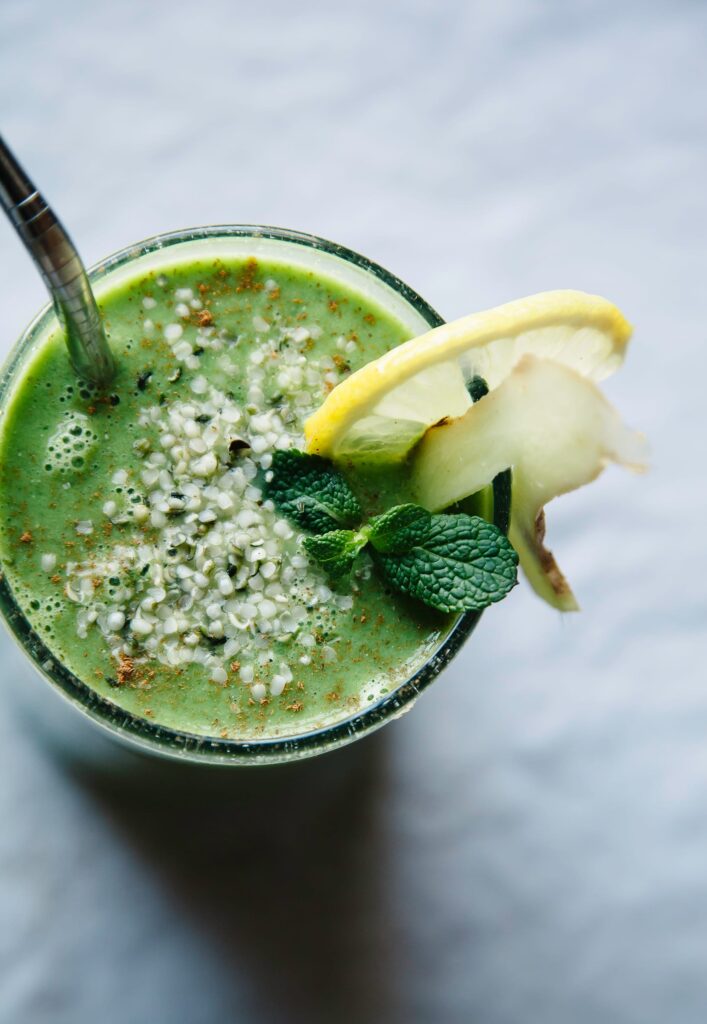
Hemp protein isolate finds versatile applications in the Australian market, from sports nutrition supplements to plant-based dairy alternatives, baked goods, and functional food bars. Its neutral flavor profile, particularly in isolated form, makes it an attractive ingredient for manufacturers aiming to incorporate high-quality plant protein without significantly altering product taste. As sustainability and local sourcing gain prominence, Australian-grown hemp presents an opportunity for domestic production and processing, further strengthening its appeal in the local food industry.
“For individuals following plant-centric diets, hemp protein isolate provides a complete amino acid spectrum, effectively complementing other plant-based protein sources to meet daily indispensable amino acid requirements.”
Hemp protein isolate stands as a valuable and increasingly recognized plant-based protein source. Its refined form offers enhanced digestibility and a complete amino acid profile, addressing key considerations for protein quality. As Australian consumers and food manufacturers continue exploring sustainable and nutritious dietary options, the scientific understanding of HPI’s attributes will prove instrumental. This evidence-informed approach supports its integration into diverse food applications, contributing to both individual wellness and the broader sustainability goals of the food system.