Nutritional Profile of Australian-Grown Hemp Seeds: Omega Fatty Acids and Protein Content
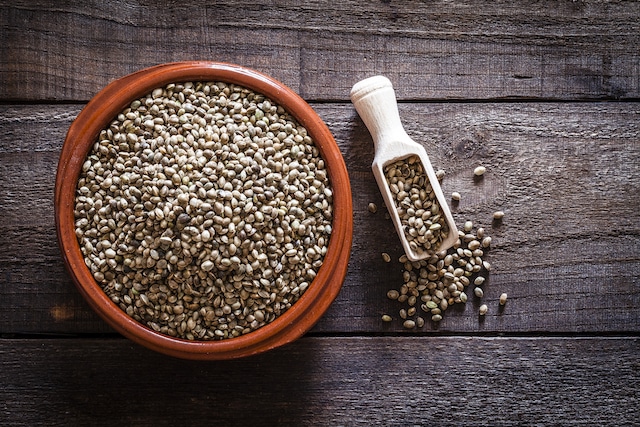
Hemp seeds, derived from varieties of Cannabis sativa specifically bred for low tetrahydrocannabinol (THC) content, have captured attention in Australia and globally as a valuable nutritional commodity. Their inclusion in the Australian food supply was permitted in November 2017, following a comprehensive assessment of safety and nutritional benefits. This legislative change opened the door for Australian farmers and food producers to cultivate and process hemp for human consumption, integrating this ancient crop into modern diets. Australian-grown hemp seeds offer distinct nutritional advantages, particularly their rich profile of omega fatty acids and high-quality protein.
Understanding Omega Fatty Acids in Hemp Seeds
Omega fatty acids are polyunsaturated fats essential for human health, as the body cannot produce them independently. Hemp seeds are notable for their favourable ratio of omega-6 (linoleic acid, LA) to omega-3 (alpha-linolenic acid, ALA) fatty acids. While many Western diets tend to be high in omega-6 and low in omega-3, leading to an imbalanced ratio, hemp seeds typically present a ratio between 2:1 and 3:1 (omega-6:omega-3). This balance supports various physiological functions, including cellular membrane integrity, hormone production, and inflammatory responses.
Beyond LA and ALA, hemp seeds also contain gamma-linolenic acid (GLA), a less common but significant omega-6 fatty acid. GLA is a precursor to certain prostaglandins, hormone-like substances involved in regulating inflammation and immune function. The presence of GLA in hemp seeds distinguishes them from many other plant-based sources of omega fatty acids, adding another layer to their comprehensive nutritional profile. This unique combination of essential fatty acids highlights the potential of hemp seeds as a dietary staple for promoting overall wellness.
Protein Quality and Digestibility
Hemp seeds are a complete protein source, meaning they contain all nine essential amino acids that the human body cannot synthesise. This is a significant advantage for plant-based diets, as many plant proteins are incomplete. The primary proteins in hemp seeds are edestin (approximately 60-80%) and albumin (20-30%). Edestin is a globular protein known for its high digestibility, similar to proteins found in egg whites, and its structural similarity to human globulin, which functions in immune support. Albumin is also easily digestible and provides a good balance of amino acids.
The protein content of dehulled hemp seeds typically ranges from 30% to 35% by weight, making them a potent source for muscle repair, enzyme production, and other vital bodily processes. The high digestibility of hemp protein stems from the absence of trypsin inhibitors and oligosaccharides, compounds that can impede protein absorption and cause digestive discomfort in other plant-based proteins. This makes hemp protein particularly suitable for individuals with sensitive digestive systems or those seeking easily assimilated protein sources.
Australian-grown hemp seeds consistently demonstrate a beneficial omega-6 to omega-3 fatty acid ratio, typically between 2:1 and 3:1, a balance considered optimal for human health.
Mineral and Vitamin Content
Australian hemp seeds are also a rich source of various vitamins and minerals crucial for maintaining good health. They are particularly high in magnesium, which is involved in over 300 enzymatic reactions in the body, including energy production, nerve function, and muscle contraction. Zinc, another abundant mineral in hemp seeds, is vital for immune function, wound healing, and DNA synthesis. Iron, essential for oxygen transport in the blood, is also present, making hemp seeds a valuable dietary component, especially for individuals following vegetarian or vegan diets who may need to pay closer attention to iron intake.
Furthermore, hemp seeds contain phosphorus, essential for bone health and energy metabolism, and potassium, important for blood pressure regulation and fluid balance. They also provide a range of B vitamins, including folate, thiamine, and riboflavin, which are critical for cellular metabolism and nerve function. While not a primary source of all vitamins, the overall micronutrient density of hemp seeds contributes significantly to their status as a nutrient-dense food.

Regulatory Framework in Australia
The legalisation of low-THC hemp seeds for human consumption in Australia was a significant step, aligning with food safety standards set by Food Standards Australia New Zealand (FSANZ). The regulations specify a maximum THC content of 0.5% in hemp plants and a trace limit of 5 mg/kg for THC in hemp foods. This ensures that hemp food products do not have psychoactive effects and are safe for consumption. This regulatory clarity has fostered the growth of the Australian hemp industry, allowing farmers to cultivate specific varieties of Cannabis sativa that meet these stringent requirements, ensuring consumer safety and product integrity.
The Australian regulatory environment also distinguishes clearly between industrial hemp for food and fibre, and medicinal cannabis. Medicinal cannabis products, which contain higher levels of THC or specific cannabinoid profiles, are regulated under the Therapeutic Goods Administration (TGA) and are available only via prescription through authorised medical pathways. This clear separation helps prevent confusion among consumers and ensures that the hemp food industry operates within a well-defined and safe framework, allowing for focused development on its nutritional attributes.
Hemp seeds are a complete protein, containing all nine essential amino acids, with highly digestible edestin and albumin proteins making up the majority of their protein content.
Cultivation and Sustainability in Australia
Australia’s diverse climate and agricultural expertise present favourable conditions for cultivating industrial hemp. Many regions across the country are suitable for hemp farming, which often requires less water and fewer pesticides than some other conventional crops. This makes Australian-grown hemp a potentially sustainable agricultural choice, aligning with broader goals of environmental stewardship and reduced ecological footprint. Local cultivation also supports regional economies and provides a traceable supply chain for consumers interested in the provenance of their food.
The sustainability aspect extends to the broader use of the hemp plant. While this article focuses on seeds for nutrition, the stalk and leaves can be processed for fibre and other industrial applications, contributing to a circular economy model. This multifaceted utility further enhances the appeal of hemp as a crop. For Australian consumers, choosing locally grown hemp seeds supports both nutritional intake and environmentally conscious agricultural practices, contributing to a more resilient and sustainable food system.
The nutritional profile of Australian-grown hemp seeds positions them as a highly valuable food commodity. Their exceptional balance of omega-3 and omega-6 fatty acids, comprehensive amino acid spectrum from easily digestible proteins, and rich mineral and vitamin content make them a robust addition to any diet. As the Australian hemp industry continues to mature under clear regulatory guidelines, consumers can confidently incorporate these nutrient-dense seeds into their culinary practices, benefiting from a product that is not only nutritious but also aligned with sustainable agricultural principles. The ongoing research and development in this sector promise to further illuminate the full potential of this remarkable plant.