Building a Regional Hemp Industry: Case Studies from Australian Rural Communities
The re-emergence of industrial hemp cultivation in Australia presents a compelling opportunity for rural communities seeking economic diversification and sustainable agricultural practices. Beyond its historical applications, contemporary research and development are revealing hemp’s versatile potential across various sectors, from construction materials and textiles to food products and phytocannabinoid extraction. For regional areas often grappling with the volatilities of traditional agriculture, such as fluctuating commodity prices, water scarcity, and the impact of climate change on traditional crops like wheat or cotton, hemp offers a pathway to new industries, job creation, and enhanced ecological stewardship. Understanding how different communities are establishing a regional hemp industry requires examining their approaches to regulatory frameworks, market development, and community engagement, alongside the crucial aspects of technological innovation and investment.
Regulatory Pathways and Cultivation Excellence
Establishing a viable hemp industry in Australia necessitates a thorough understanding of the federal and state regulatory landscape, which, while harmonised in principle, often presents nuanced interpretations and specific requirements at the state level. Industrial hemp cultivation, defined by its low tetrahydrocannabinol (THC) content (typically below 0.3% in Australia, a threshold aligned with international best practices), has been legalised across all states and territories, yet the specific licensing requirements, permitted cultivation areas, and approved uses can vary significantly. Farmers and processors in different regions have had to engage directly and extensively with state agriculture departments and health authorities to secure the necessary permits for cultivation, processing, and sale. This involves demonstrating rigorous compliance with seed origin certification, stringent testing protocols for THC levels at various growth stages, and robust security measures to prevent diversion of the crop for illicit purposes. In New South Wales, growers must register with the Department of Primary Industries and adhere to strict reporting requirements, while in Tasmania, a state with a longer history of hemp cultivation, the regulatory framework has evolved to support a more mature industry, offering insights into long-term compliance strategies.
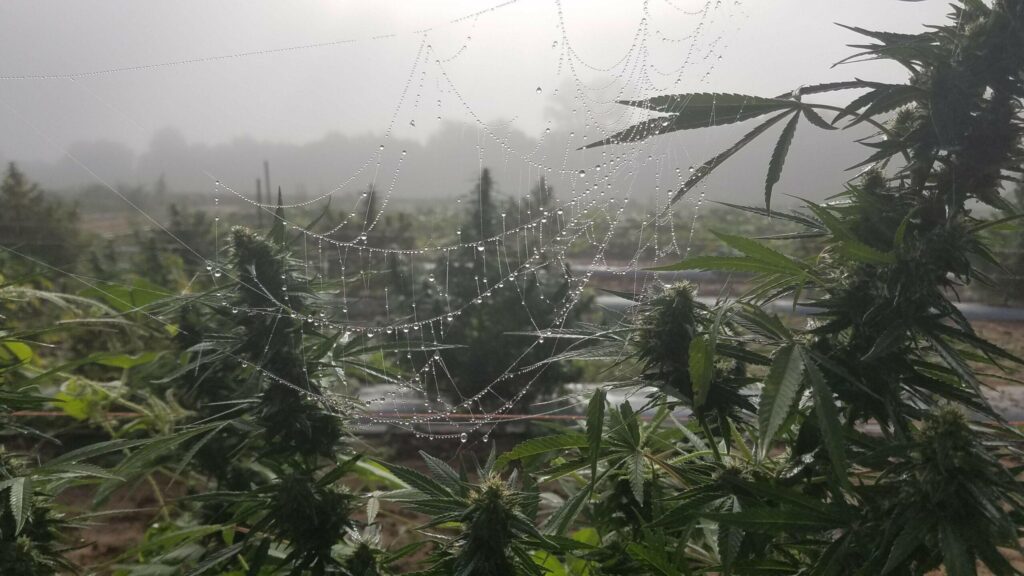
Early adopters in several Australian rural communities have focused intensely on developing expertise in cultivating specific hemp varieties best suited to their local climatic conditions and soil types. This has involved extensive experimentation with different seed types imported from Canada, France, or China, or increasingly, domestically bred varieties, for fibre, grain, or dual-purpose applications. Growers in the cooler, temperate regions of Victoria might prioritise fibre varieties that thrive in longer growing seasons, while those in the semi-arid zones of Queensland might opt for drought-resistant grain varieties. The meticulous collection of localised data on optimal planting times, irrigation needs, nutrient requirements, and harvesting techniques has been absolutely crucial. Such detailed agricultural research, often conducted in partnership with local universities or agricultural research stations, not only improves yields and crop quality but also informs the development of comprehensive best practice guidelines for new entrants, fostering a more robust, resilient, and knowledge-based agricultural sector within these regions. This localised expertise is a significant competitive advantage, reducing risks and optimising resource use for a crop that is still relatively new to large-scale Australian agriculture.
“The journey from field to finished product requires a coordinated approach, integrating agricultural innovation with robust processing infrastructure and an understanding of global market demands.”
Advanced Processing Infrastructure and Integrated Value Chains
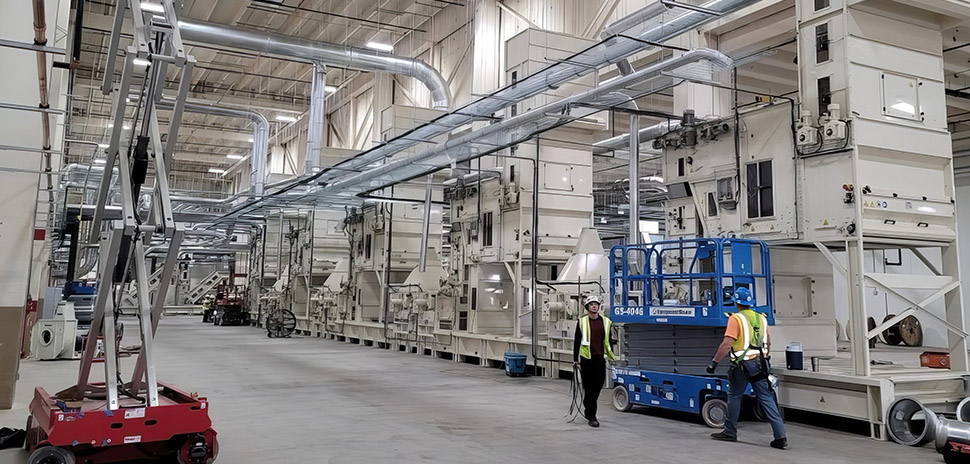
A significant hurdle for many nascent hemp industries globally has been the lack of adequate, cost-effective processing infrastructure. Australian rural communities exploring hemp have recognised that raw biomass, while having some value, offers only limited economic benefit; true, sustained economic prosperity comes from processing it into marketable, value-added products. This understanding has driven diverse investment strategies. Some regions have seen initial, often community-driven, investments in mobile or small-scale decortication facilities for fibre extraction, aiming to service local construction or textile ventures. Other communities, particularly those with existing grain handling infrastructure, have focused on establishing facilities for processing hemp grain into high-value food products like cold-pressed hemp seed oil, protein powder, and hulled hemp hearts. The scale and type of processing infrastructure developed are dictated by the intended end-products, the anticipated volume of local cultivation, and the available capital. The Bega Valley in NSW has seen interest in establishing a regional processing hub to support local growers, leveraging existing agricultural logistics. Meanwhile, regions in Western Australia are exploring larger-scale facilities to handle significant grain harvests destined for both domestic and international food markets.
Building effective value chains involves considerably more than just processing. It requires a sophisticated and complex web of connections: linking growers with processors, processors with manufacturers, and manufacturers with distributors or retailers. This has led to highly collaborative efforts within some communities, where farmer cooperatives, regional industry associations, or local government initiatives coordinate supply and demand, share market intelligence, and facilitate logistics. Some regional initiatives in South Australia have focused on securing long-term contracts with textile manufacturers for high-quality hemp fibre, or with major food companies for large volumes of hemp grain, thereby creating a stable and predictable market for local producers. The development of these strong, transparent, and resilient linkages, often supported by blockchain technology for traceability, is essential for the long-term sustainability and profitability of the industry, moving it beyond a niche crop to a mainstream agricultural commodity with diverse applications. Furthermore, attracting foreign direct investment into these processing capabilities is a growing trend, as international players recognise Australia’s potential as a reliable source of high-quality hemp inputs.
Strategic Market Development and Product Diversification
The inherent versatility of hemp allows for a remarkably wide array of products, offering communities unparalleled opportunities for strategic diversification and risk mitigation. In the food sector, hemp seeds are globally recognised for their exceptional nutritional profile, being rich in omega-3 and omega-6 fatty acids, complete protein, and essential minerals. This has driven the rapid development of a burgeoning market for products such as hemp milk, artisanal hemp bread, nutritious snack bars, and hemp-infused beverages. The Australian market for these health-conscious products continues to expand robustly, driven by increasing consumer awareness of plant-based nutrition, sustainable food sources, and the desire for functional foods. This expansion has allowed regional producers to tap into both domestic and lucrative export markets, provided they meet stringent food safety, labelling regulations, and international trade standards, such as those set by Codex Alimentarius. Success stories include small-batch producers in Tasmania who have found a niche for their premium hemp seed oil in gourmet food stores, and larger-scale operations in Queensland supplying hemp hearts to national supermarket chains.
Beyond food, the fibre and hurd sector holds significant, largely untapped promise. Hemp fibre, known for its strength and durability, can be used in high-performance textiles, specialty papers, advanced bioplastics, and sustainable building materials like ‘hempcrete’, a lightweight, insulating concrete alternative. Some Australian communities are actively exploring niche markets for these industrial applications, leveraging local manufacturing capabilities or strategically attracting new industries. Regions with a strong history in construction are investigating the local production of hempcrete blocks, reducing transport costs and creating local jobs. The industrial applications of hemp often require specific, capital-intensive, processing techniques and significant upfront investment in machinery, posing a different set of challenges and opportunities compared to the food sector. Understanding the potential demand, the technological requirements, and the complex regulatory compliance for each product category, from sustainable fashion to automotive composites, is critical for strategic market entry and securing long-term contracts. The burgeoning global interest in sustainable materials provides a strong tailwind for these developments.
“Community education has been pivotal, dispelling persistent misconceptions and building robust local support for hemp cultivation, transforming skepticism into enthusiasm.”
Community Engagement and Educational Advancement
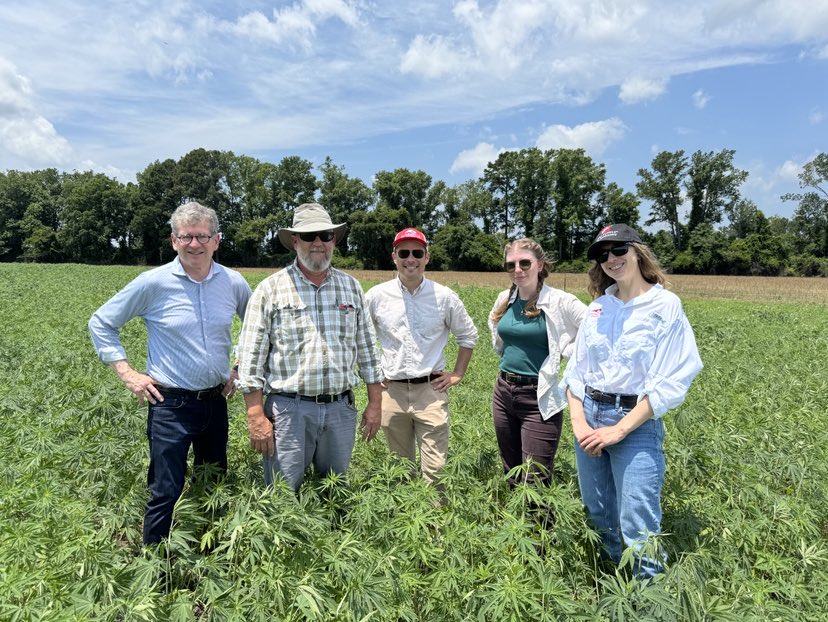
The successful integration of a new agricultural industry like hemp often hinges profoundly on strong community support and a deep understanding among local stakeholders. In many Australian rural areas, initial efforts have focused on meticulously educating local residents, businesses, and local government officials about the tangible benefits and the realities of industrial hemp cultivation. This has included hosting comprehensive workshops for farmers on advanced cultivation techniques, efficient water management, and complex regulatory compliance. Simultaneously, public information sessions have been crucial in addressing common misconceptions about cannabis, clearly differentiating industrial hemp from its psychoactive cousin. Open, transparent, and consistent dialogue helps to foster a positive and supportive environment for industry growth and ensures that any community concerns, such as visual impact or odour, are addressed proactively and constructively. Community forums in the Northern Rivers region of NSW have been instrumental in fostering local acceptance and collaboration between growers and residents.
Collaboration between local government, established agricultural bodies, and educational institutions has also been instrumental in accelerating industry development. While regional councils are not directly involved in commercial zoning for cannabis retail (which is not permitted in Australia outside of pharmacy dispensing for medicinal products), many have assumed a proactive and supportive role. This support includes facilitating multi-stakeholder discussions, connecting growers with processors and researchers, and actively promoting regional economic development initiatives that strategically include hemp. Furthermore, the development of vocational training programs through TAFE colleges and the establishment of university research partnerships have emerged in several areas. These initiatives provide essential skills and knowledge for a new workforce, ranging from agronomists specializing in hemp to processing plant technicians, and drive innovation within the sector. Research focuses might include breeding climate-resilient varieties, developing novel processing technologies, or exploring new product applications. This holistic approach to community engagement and education ensures that the hemp industry is not just an economic venture but also a socially integrated and environmentally responsible part of the regional fabric.
The experience of Australian rural communities embarking on the journey of establishing regional hemp industries offers invaluable insights into the multifaceted challenges and profound opportunities involved. From complex and evolving regulations and building essential, often bespoke, processing infrastructure to strategically diversifying product lines and fostering deep-seated community buy-in, each step requires meticulous strategic planning, significant capital investment, and collaborative effort. As the scientific understanding of hemp’s vast potential continues to grow, these pioneering communities are not just cultivating a crop; they are actively laying the groundwork for a sustainable, resilient, and economically vibrant future, demonstrating with tangible results how a traditional crop, with its ancient roots, can be reimagined and revitalised for truly modern and innovative applications, contributing significantly to Australia’s agricultural and industrial landscape.