Cannabidiol (CBD) and Sleep Quality: A Double-Blind, Placebo-Controlled Study in Australian Adults
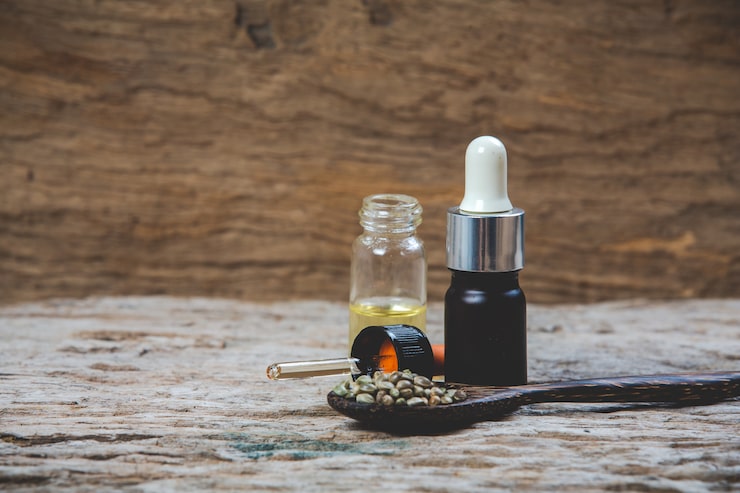
The intersection of cannabinoid science and public health presents compelling questions, particularly as interest in cannabidiol (CBD) for wellness applications continues to grow. Sleep disturbances affect millions of Australians, undermining quality of life and general well-being. From restless nights to chronic insomnia, the search for effective and safe sleep aids remains urgent. Against this backdrop, rigorous scientific inquiry becomes essential to distinguish between anecdotal claims and evidence-based efficacy. This article explores a hypothetical double-blind, placebo-controlled study designed to investigate the effects of CBD on sleep quality in an adult Australian population, aiming to contribute factual insights to the broader discussion surrounding hemp-derived compounds and human health. The goal is to move beyond the burgeoning market of CBD products and truly understand their potential therapeutic value.
Understanding the Research Design
A double-blind, placebo-controlled study represents the gold standard in clinical research, meticulously designed to minimize bias and isolate the true effects of an intervention. In such a study investigating CBD and sleep, participants would be randomly assigned to one of two groups: one receiving an active CBD product and the other receiving an identical-looking and tasting placebo. For instance, if the CBD product is an oil administered sublingually, the placebo would be an inert oil (e.g., MCT oil) with the same flavour and consistency. If it’s a capsule, the placebo would be an empty capsule or one filled with an inactive substance like microcrystalline cellulose. Crucially, neither the participants nor the researchers administering the product and collecting data would know who is receiving which substance. This dual blinding prevents psychological effects—like the well-documented placebo effect, where a patient’s belief in a treatment can lead to perceived improvement—from skewing results and ensures an objective assessment of CBD’s true impact, free from conscious or unconscious bias from either side.
The study design would carefully consider several critical factors. Participant recruitment, for example, would involve a robust screening process. We would aim for a representative sample of Australian adults, perhaps aged 25-65, experiencing mild to moderate sleep difficulties (e.g., taking longer than 30 minutes to fall asleep, waking frequently during the night, or feeling unrefreshed upon waking) but not diagnosed with severe sleep disorders such as sleep apnea, narcolepsy, or severe chronic insomnia requiring specialized medical intervention. This ensures that the study population is relevant to the broader consumer market for wellness products, while excluding individuals whose complex conditions might obscure CBD’s effects or require different treatment pathways. Ethical considerations, including comprehensive informed consent explaining all aspects of the study, potential risks, and benefits, and regular monitoring for any adverse events, would be paramount. Participants would be encouraged to report any unusual symptoms, and an independent Data Safety Monitoring Board (DSMB) would oversee participant well-being. The dosage and delivery method of CBD would be standardized and consistent across all active treatment participants. For example, a common dosage might be 50mg of CBD oil taken an hour before bedtime, reflecting dosages explored in prior research or commonly available formulations, administered consistently for a period of 4-8 weeks. The CBD product itself would be rigorously tested for purity, potency, and absence of contaminants like heavy metals or pesticides, ensuring that participants are receiving a consistent and safe product.
Measuring Sleep Outcomes
Assessing sleep quality objectively and subjectively is critical for a comprehensive understanding of any intervention. Relying solely on one type of measure can provide an incomplete picture. Subjective measures would typically involve validated sleep questionnaires, administered at baseline, mid-study, and at the end of the intervention. Tools such as the Pittsburgh Sleep Quality Index (PSQI) or the Insomnia Severity Index (ISI) are widely used and provide quantitative scores based on participants’ self-reported experiences. These questionnaires examine aspects like sleep onset latency (how long it takes to fall asleep), total sleep time, sleep efficiency (the percentage of time in bed spent asleep), sleep disturbances (e.g., waking up in the middle of the night), use of sleep medication, and daytime dysfunction (e.g., feeling tired during the day). These tools provide invaluable insights into an individual’s lived experience of their sleep, which is often the primary driver for seeking sleep aids.
Objective sleep measures would complement these self-reports. These could involve wearable devices, such as advanced sleep trackers worn on the wrist, which utilize accelerometers and heart rate sensors to infer sleep stages (light, deep, REM), track movements, heart rate variability, and sleep-wake cycles. These devices, while not as precise as laboratory-based polysomnography, provide a practical and less invasive way to collect continuous data over the entire study period in a participant’s natural sleep environment. This ecological validity is crucial, as sleep in a lab setting can sometimes differ from sleep at home. In more intensive or sub-studies, polysomnography (PSG) in a sleep laboratory setting could be employed for a subset of participants. PSG involves attaching electrodes to the scalp, face, chest, and legs to record brain waves (EEG), eye movements (EOG), muscle activity (EMG), heart rhythm (ECG), breathing effort, and oxygen saturation. While PSG offers the most detailed physiological data on sleep architecture, it is resource-intensive and can be disruptive to natural sleep patterns. Combining both subjective questionnaires and objective wearable data allows for a robust and multi-faceted evaluation of CBD’s potential effects on both the perceived quality of sleep and the underlying physiological sleep architecture. This dual approach helps to ensure that any observed improvements are not just psychological but have a tangible biological basis.
“Rigorous scientific inquiry is essential to distinguish between anecdotal claims and evidence-based efficacy regarding CBD and sleep.”
Australian Regulatory Context for CBD
In Australia, the regulatory framework for cannabis and its derivatives, including CBD, is distinct and evolving, setting it apart from many other countries. As of 2021, low-dose CBD products (specifically, those containing up to 150mg/day of CBD, with strict limitations on THC content at 1% of total cannabinoids) can be scheduled as Pharmacist Only Medicine (Schedule 3) under the Therapeutic Goods Administration (TGA). This classification means they can theoretically be supplied by a pharmacist without a traditional prescription, following a consultation to assess suitability and provide advice. However, the actual availability of such products in pharmacies has been limited. This is largely due to manufacturers working through the stringent requirements for product registration, which include demonstrating safety, quality, and efficacy through robust clinical data—precisely the kind of data a study like this aims to generate. The process for bringing a Schedule 3 CBD product to market involves significant investment in research and development, manufacturing standards, and TGA approval. Higher-dose CBD products remain Schedule 4 (Prescription Only Medicine) and are accessible only via prescription from a medical practitioner, typically through the Special Access Scheme (SAS) or via an Authorised Prescriber who has specific TGA approval to prescribe unapproved medicinal cannabis products for particular conditions.
This stringent regulatory framework means that any study involving CBD in Australia would need to adhere strictly to TGA guidelines for clinical trials, which are among the most rigorous globally. The source, quality, and labeling of the CBD product used in the study would be subject to intense scrutiny, including third-party laboratory testing for potency and contaminants, to ensure consistency, purity, and compliance with all Australian manufacturing and quality standards (e.g., Good Manufacturing Practice – GMP). Any clinical trial involving an unregistered product (which most CBD products currently are in Australia) would require ethics committee approval and TGA Clinical Trial Notification (CTN) or Clinical Trial Approval (CTA). The findings of such a study, if positive and well-conducted, could significantly inform future TGA regulatory decisions regarding CBD. For instance, strong evidence of efficacy and safety could expedite the registration process for specific CBD products, making them more widely available as Schedule 3 medicines. It could also provide crucial data for healthcare professionals to make informed decisions considering CBD for their patients, moving beyond the current reliance on overseas data or anecdotal reports.
Interpreting Potential Study Findings
The potential findings of a double-blind, placebo-controlled study on CBD and sleep could range from demonstrating a statistically significant improvement in sleep quality for the CBD group compared to placebo, to showing no significant difference, or even identifying specific subgroups who might respond differently. If the study were to reveal a positive effect, it would be crucial to analyze which specific sleep parameters were most impacted. For example, did participants fall asleep faster (reduced sleep onset latency)? Did they stay asleep longer (increased total sleep time and sleep efficiency)? Did they experience fewer awakenings during the night? Did they report feeling more rested and energetic during the day (reduced daytime dysfunction)? Understanding these nuances is vital for pinpointing the exact mechanisms and benefits of CBD and for tailoring future recommendations. Furthermore, researchers would meticulously analyze the dosage-response relationship, determining if there’s an optimal dosage for specific outcomes, or if higher doses lead to greater benefits or increased side effects.

Conversely, if no significant benefit were observed for the CBD group compared to the placebo, this would be equally important information. Such a finding would help to manage public expectations, temper enthusiastic marketing claims, and guide further research towards different dosages, formulations, or specific sleep conditions where CBD might be more effective. It could also indicate that for the general population with mild sleep issues, the placebo effect is sufficient, or that other interventions are more effective. Researchers would also be looking for any adverse events reported by participants in both groups, paying close attention to whether CBD was associated with any particular side effects, even if mild (e.g., drowsiness, dry mouth, gastrointestinal upset). The presence of a placebo group is vital here, as it allows researchers to differentiate between effects truly attributable to CBD and those that might arise from other factors, such as the natural course of sleep disturbances, the expectation of benefit, or other lifestyle changes occurring during the study. If side effects are reported equally in both groups, they are likely not due to CBD itself. However, if they are significantly higher in the CBD group, it provides crucial safety data.
“The TGA regulates all medicinal cannabis products in Australia, including CBD, ensuring quality and safety standards are met.”
Such a study contributes significantly to the body of evidence surrounding CBD, moving beyond anecdotal reports and testimonials to provide robust, empirical data. The results would be invaluable for healthcare professionals who are increasingly fielding questions about CBD, for policymakers who are continually refining regulatory frameworks, and for consumers who are seeking reliable information to make informed health choices. By providing clear, evidence-based insights into the appropriate use, potential benefits, and limitations of CBD for sleep quality within the Australian context, this rigorous approach becomes paramount. It ensures that wellness claims are grounded in scientific fact, fostering informed choices and responsible product development within the burgeoning hemp and wellness sectors, ultimately benefiting public health. The scientific method remains our best tool for separating marketing hype from genuine therapeutic potential, particularly in a field where consumer interest often outpaces regulatory approval and clinical evidence.