Developing Hemp-Based Bioplastics for Packaging in the Australian Food Industry
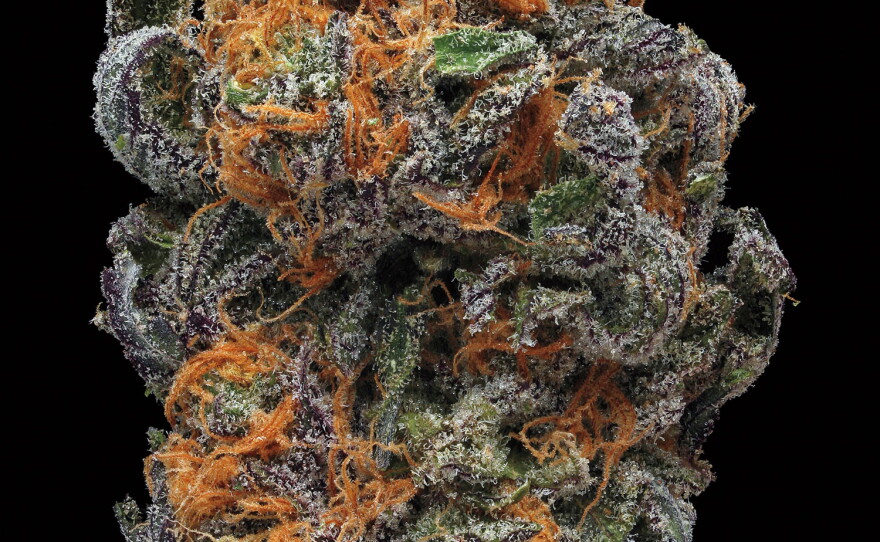
The Australian food industry faces mounting pressure to adopt sustainable packaging solutions, driven by consumer demand and regulatory shifts. Traditional petroleum-based plastics contribute significantly to landfill waste and microplastic pollution, prompting a global search for environmentally friendly alternatives. Industrial hemp emerges as a promising candidate for bioplastic development, offering a renewable, biodegradable, and potentially carbon-negative resource that aligns with Australia’s sustainability goals and agricultural capabilities. This exploration examines the imperative for sustainable packaging, the unique advantages of industrial hemp, the technical pathways for its conversion into bioplastics, and the challenges and opportunities for its widespread adoption within the Australian food sector.
The Environmental Imperative for Sustainable Packaging
Plastic packaging dominates the food sector, serving critical functions from preserving freshness and preventing spoilage to protecting delicate items during transit and offering convenience to consumers. However, the scale of its use carries a staggering environmental cost. Most plastic packaging is designed for single-use applications: plastic films wrapping fresh produce, disposable trays for ready meals, countless beverage bottles. This design philosophy generates vast quantities of waste that overwhelm existing recycling infrastructure or simply cannot be recycled. These plastics persist in the environment for hundreds of years, contributing to landfill burdens, contaminating ecosystems, and posing severe risks to wildlife through ingestion, entanglement, and habitat degradation.
The visual impact of plastic pollution, from littered beaches to the swirling gyres of the Great Pacific Garbage Patch, has resonated with consumers globally. This heightened awareness has translated into a powerful shift in consumer preference. Today’s conscientious shoppers actively seek products packaged in materials that are demonstrably less harmful to the planet, often willing to pay a premium for such choices. This shift in consumer behaviour, coupled with increasingly stringent governmental initiatives aimed at reducing plastic waste, is compelling food manufacturers to innovate at an unprecedented pace. The Australian National Plastics Plan sets ambitious targets for plastic reduction, reuse, and recycling across various sectors, underscoring the urgent need for viable, scalable alternatives to conventional, fossil fuel-derived plastics. This plan acts as a catalyst, driving research and investment into novel materials and circular economy principles within the packaging industry.
Hemp as a Renewable Resource for Bioplastics
Industrial hemp (Cannabis sativa L.) is gaining recognition as a versatile and environmentally beneficial crop, garnering significant attention for its potential in sustainable manufacturing, particularly within the bioplastics sector. Its impressive growth characteristics make it an ideal candidate: it grows rapidly, often reaching maturity in just 90-120 days, and requires significantly less water and pesticides compared to traditional fibre crops like cotton. Hemp is resilient, capable of thriving in diverse Australian climates and soil types, from the fertile plains of regional New South Wales to the sun-drenched fields of Queensland. From an environmental perspective, hemp actively sequesters substantial amounts of carbon dioxide from the atmosphere during its growth cycle, effectively acting as a carbon sink. This makes hemp-based products not just carbon-neutral, but potentially carbon-negative, offering an additional environmental benefit in the fight against climate change. The plant’s stalks are rich in cellulose, hemicellulose, and lignin, the primary components necessary for producing various types of bioplastics with differing properties and applications.
The Australian regulatory framework concerning industrial hemp cultivation has undergone significant reforms in recent years. This evolution has led to a clearer distinction between industrial hemp, which is cultivated for its fibres, seeds, and oils and contains very low levels of tetrahydrocannabinol (THC, typically below 0.3%), and cannabis cultivated for medicinal or recreational purposes. This regulatory clarity and relaxation of previous restrictions have been instrumental in supporting the expansion of hemp farming across different states, including Tasmania, Victoria, and Western Australia. This clarity facilitates the establishment of a stable, reliable, and scalable supply chain for industries looking to utilise hemp’s valuable fibres and shives for manufacturing purposes, including the burgeoning bioplastics industry. The increasing acreage dedicated to hemp cultivation across Australia signifies growing confidence in its economic and environmental potential, providing a domestic source of raw material that reduces reliance on imported alternatives and bolsters local agricultural economies.
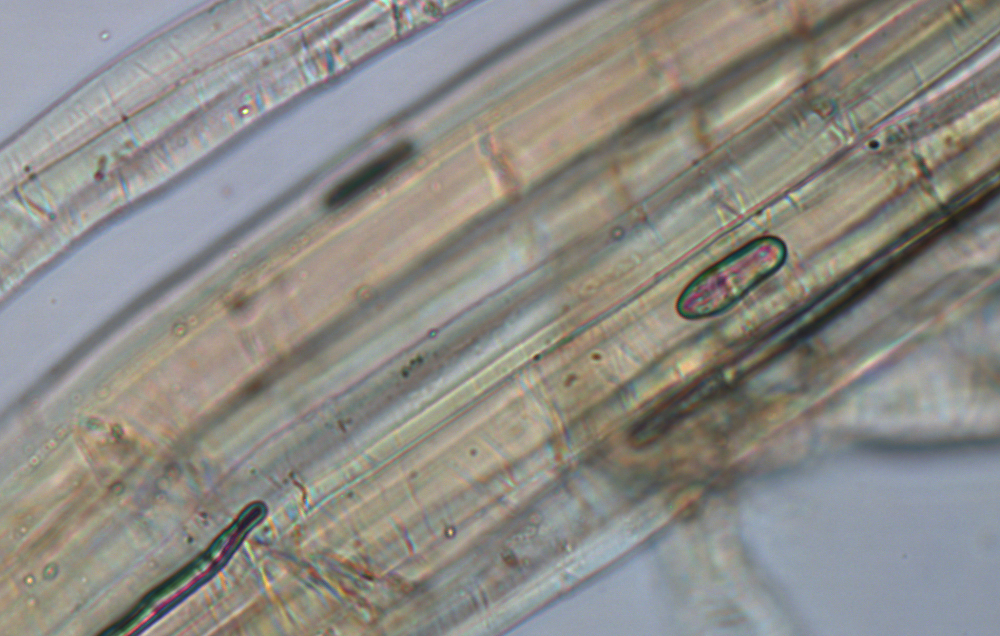
Hemp-derived bioplastics offer a compelling pathway to reduce reliance on fossil fuels, diminish landfill waste, and enhance the sustainability credentials of the Australian food industry, promising a truly circular economy approach.
Technical Pathways for Hemp Bioplastic Production
The development of functional and commercially viable hemp-based bioplastics involves a sophisticated multi-stage process, beginning with the meticulous extraction and processing of the cellulosic fibres from the hemp plant. These versatile fibres can then be incorporated into bioplastic formulations in several distinct ways. One common approach is to use them as reinforcing fillers within existing biodegradable polymers. For instance, finely milled hemp fibres or micro-fibrillated cellulose from hemp can be compounded with established biopolymers such as polylactic acid (PLA), a starch-derived plastic, or polyhydroxyalkanoates (PHAs), which are produced by microorganisms. This compounding process creates composite materials that offer significantly improved mechanical properties, including enhanced strength, increased stiffness, and better thermal stability, making them suitable for a wide variety of demanding packaging applications, from rigid trays to flexible films. A notable example is the development of hemp-PLA composites for single-use cutlery or durable food containers, offering a direct, sustainable replacement for conventional plastics.
Beyond simple reinforcement, advanced processing techniques are pushing the boundaries of what hemp-derived materials can achieve. Nanocellulose extraction represents a cutting-edge area of research and development. This process involves breaking down the hemp fibres into their constituent nanofibrils or nanocrystals, which possess extraordinary properties due to their high aspect ratio and crystalline structure. Nanocellulose derived from hemp exhibits exceptional mechanical strength, often comparable to steel on a weight-for-weight basis, along with superior barrier properties against gases like oxygen and moisture, and inherent biodegradability. These remarkable characteristics open up exciting new avenues for developing high-performance food packaging that can not only compete with but potentially even surpass conventional petroleum-based plastics in certain critical attributes, such as extending the shelf life of oxygen-sensitive foods. Research into these sophisticated extraction and modification methods, including chemical pre-treatments, mechanical fibrillation, and enzymatic hydrolysis, is crucial for optimising both the performance and the cost-effectiveness of hemp bioplastics, moving them closer to widespread commercial viability. Furthermore, research into bio-based resins and polymers entirely derived from hemp, such as those utilising hemp seed oil or other biomass components, is also underway, promising even more integrated and sustainable solutions.
Addressing Challenges and Opportunities in Australia
While the potential of hemp bioplastics for revolutionising the Australian food industry is substantial, several significant challenges must be systematically addressed to facilitate their widespread adoption. One of the most critical hurdles currently is scalability and achieving cost-competitiveness with established petroleum-based plastics. At present, the production volume of hemp bioplastics globally, and particularly within Australia, is relatively low compared to the colossal scale of conventional plastic manufacturing. This disparity in scale inherently impacts their unit cost, making them often more expensive than their fossil fuel counterparts. To overcome this, substantial investment in dedicated processing infrastructure, including decortication facilities for fibre separation, advanced compounding plants, and biopolymer synthesis facilities, will be essential. Concurrently, fostering a robust and efficient supply chain, from the hemp farms in rural Australia to the bioplastic factories and ultimately to the food manufacturers, is paramount to driving down production costs and ensuring a consistent, high-quality supply.
Another crucial area of focus is the ongoing performance optimisation of hemp bioplastics to meet the stringent requirements of food packaging. Food products demand specific barrier properties against moisture, oxygen, and light to effectively maintain freshness, prevent spoilage, and extend shelf life. For example, a bioplastic film for fresh meat needs excellent oxygen barrier properties, while packaging for baked goods might prioritise moisture resistance. Ongoing research and development are critical to meticulously tailor hemp bioplastic formulations to meet these rigorous and diverse standards across a wide range of food products. This includes exploring different fibre treatments, composite ratios, and the incorporation of natural additives to enhance specific properties. Furthermore, clear and transparent labelling on hemp-based packaging, indicating its biodegradability or compostability, coupled with comprehensive consumer education campaigns, will be vital. This will not only ensure proper disposal methods are followed, preventing contamination of recycling streams, but also effectively highlight the significant environmental benefits of these innovative materials, fostering greater consumer acceptance and demand.

The integration of hemp bioplastics into food packaging represents an exciting frontier, blending agricultural innovation with environmental stewardship to create a more sustainable future for Australia and the planet.
Regulatory Landscape and Future Outlook
The Australian regulatory environment, particularly concerning food contact materials, is stringent and meticulously designed to ensure paramount consumer safety. Any novel packaging material, including promising hemp bioplastics, must undergo rigorous and extensive assessment processes to confirm it meets all relevant health and safety standards. This includes ensuring it does not leach harmful substances into food, even under various conditions of temperature, acidity, and storage duration. This comprehensive regulatory scrutiny, while absolutely necessary for public health, can add to the development timeline and significantly increase the cost for manufacturers seeking market entry for new packaging solutions. Navigating this complex landscape requires close collaboration between material developers, packaging manufacturers, and regulatory bodies like Food Standards Australia New Zealand (FSANZ).
Looking ahead, the successful and widespread adoption of hemp bioplastics will hinge on robust and sustained collaboration between a diverse array of stakeholders. This includes agricultural researchers focused on optimising hemp varieties and cultivation practices, material scientists developing advanced bioplastic formulations, food manufacturers eager to embrace sustainable alternatives, and forward-thinking policymakers shaping the regulatory and economic environment. Government support, in the form of funding for research and development initiatives, incentives for sustainable hemp farming practices such as grants for equipment or agricultural advice, and strategic investment in processing facilities, will be paramount to accelerate the transition towards widespread hemp-based packaging solutions. As the global demand for genuinely sustainable products continues its growth trajectory, Australia possesses a unique and compelling opportunity. By leveraging its agricultural strengths and fostering innovation, it can position itself as a global leader in industrial hemp innovation, making a substantial contribution to the principles of a circular economy and significantly reducing its environmental footprint within the vital food sector. This commitment to innovation and sustainability will not only benefit the environment but also create new economic opportunities and enhance Australia’s reputation as a responsible global citizen.