Hempcrete Construction in Australia: Thermal Performance and Carbon Sequestration Potential
Australia faces mounting pressure to decarbonise its built environment while tackling climate change. Among emerging construction materials, hempcrete stands out as a bio-composite made from hemp hurds (the woody core of hemp plants), lime binders, and water. This material offers compelling thermal performance and carbon sequestration capabilities that could transform Australian building practices toward greater sustainability and energy efficiency.
Understanding Hempcrete’s Composition and Properties
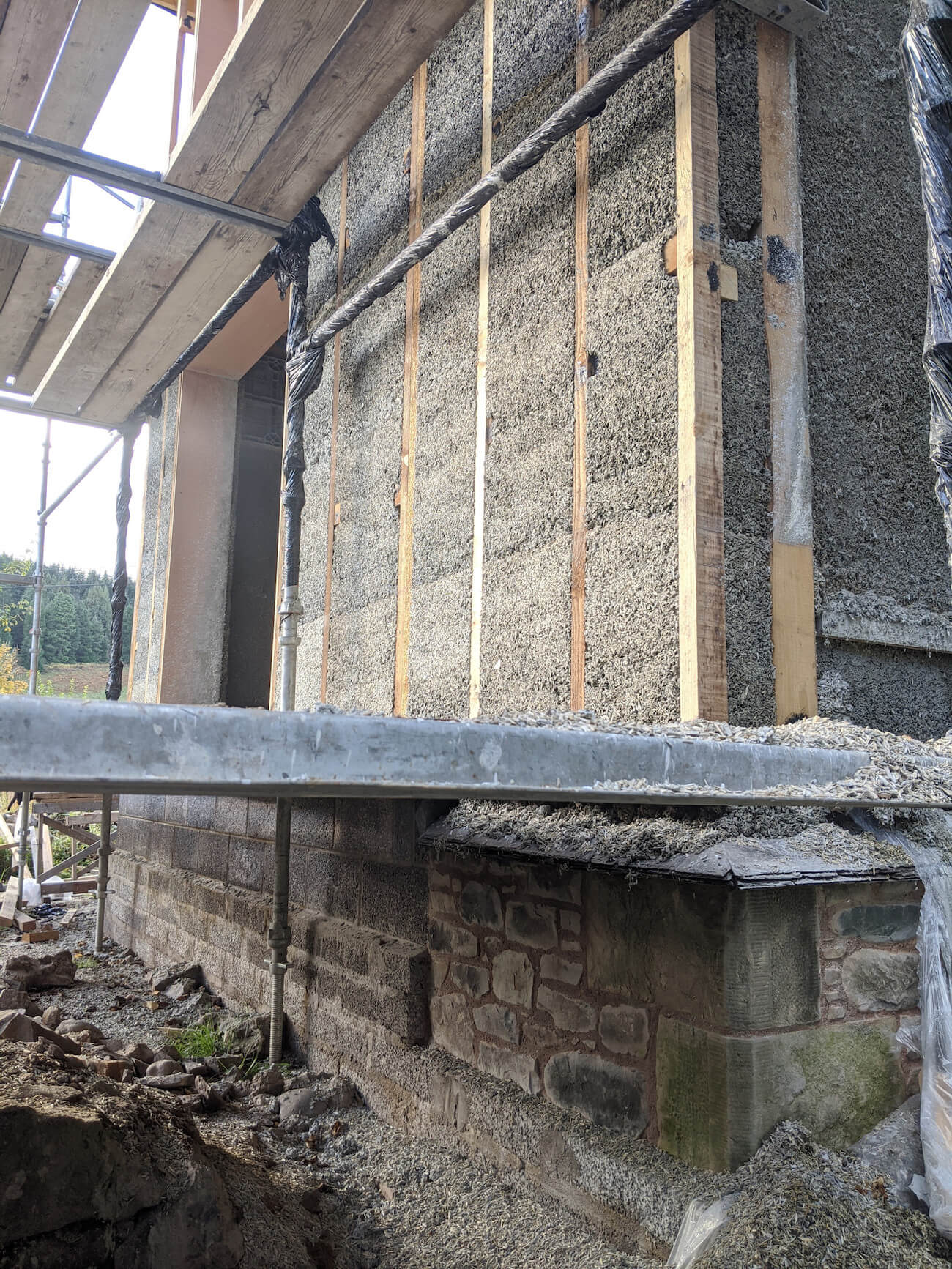
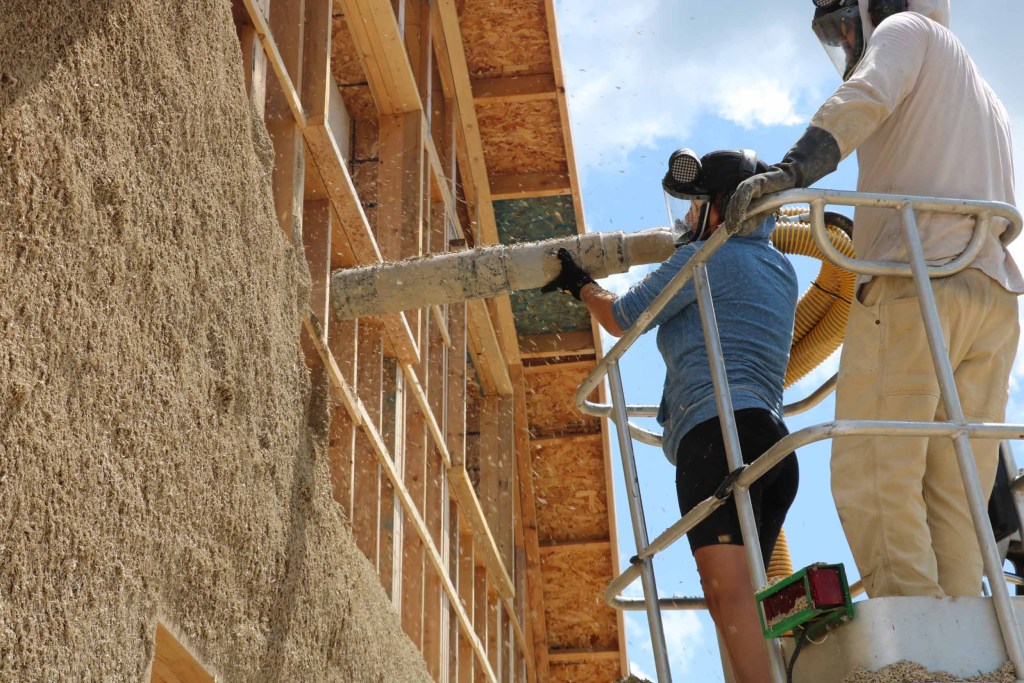
Hempcrete functions as an insulating material rather than a structural one. Builders cast it around timber, steel, or concrete frames to create non-load-bearing walls with exceptional thermal and acoustic performance. The material’s remarkable properties stem from hemp hurds – chipped, woody cores from industrial hemp stalks. These hurds feature a highly porous, lightweight structure with complex cellular formations that trap air effectively, creating outstanding insulation. Picture a microscopic sponge engineered by nature to resist heat flow.
The lime-based binder combines hydraulic and non-hydraulic limes, often enhanced with pozzolanic additives like metakaolin or pulverised fly ash to improve strength and setting time. This binder undergoes carbonation, reacting with atmospheric carbon dioxide over extended periods. This natural process mirrors limestone formation, building the material’s long-term strength, durability, and resilience. Crucially, carbonation locks atmospheric carbon within the building fabric for the structure’s entire lifespan. While traditional concrete releases massive CO2 quantities during energy-intensive Portland cement production, hempcrete actively absorbs and sequesters carbon throughout its service life, transforming buildings from carbon emitters into carbon sinks.
Hempcrete offers additional compelling properties beyond thermal performance and carbon capture. Its mineral composition and lack of combustible elements create natural fire resistance with excellent fire ratings. The lime’s alkalinity repels pests, mould, and rot, promoting healthier indoor environments and extending building longevity. Its vapour-permeable nature allows buildings to breathe, preventing moisture accumulation in wall cavities and eliminating interstitial condensation problems that plague conventional structures. These combined properties make hempcrete both environmentally responsible and high-performing, delivering superior comfort and durability.
Thermal Performance and Indoor Comfort in Australia’s Diverse Climates
Australia’s vast climate zones span scorching arid interiors, humid tropical regions, and temperate southern areas that sometimes experience frost. These diverse conditions demand flexible, high-performing building materials. Hempcrete’s excellent thermal mass and superior insulation provide substantial benefits across nearly all Australian climatic regions through passive climate control. Its low thermal conductivity of 0.06 to 0.12 W/mK (depending on density and mix) effectively resists heat transfer. This creates interiors that stay significantly cooler during blazing Australian summers, reducing energy-intensive air conditioning needs, while remaining comfortably warm in cooler months with minimal active heating. A 300mm thick hempcrete wall achieves R-values around R-4.0 to R-5.0, far exceeding minimum requirements in many Australian regions and delivering substantial energy savings.
Hempcrete’s hygroscopic nature amplifies its contribution to indoor comfort and building health. The material absorbs and releases airborne moisture, functioning as a natural humidity buffer. This property regulates internal humidity levels, creating stable, pleasant internal environments. In high-humidity regions like Queensland’s coastal areas, this significantly reduces condensation issues, preventing mould growth and improving air quality. In arid zones, it helps maintain comfortable moisture balance. Australian studies and real-world applications consistently show hempcrete buildings exhibit remarkably stable internal temperatures with minimal fluctuation, often maintaining comfortable conditions without mechanical climate control, leading to substantial operational energy reductions critical for achieving net-zero energy buildings.
“Hempcrete’s bi-directional thermal regulation properties, coupled with its ability to manage indoor humidity, make it particularly well-suited for Australia’s varied climates, offering a robust pathway to significantly reduce operational energy consumption in buildings and enhance occupant well-being.”
Consider a typical Australian home in temperate zones like Adelaide or Perth. During hot summer days, conventional brick veneer homes quickly overheat, requiring constant air conditioning. A hempcrete home, with its high thermal mass and insulation, absorbs daytime heat and releases it slowly at night, while maintaining significantly cooler, more stable interiors that function like natural climate control systems. In winter, the same principle works in reverse, retaining warmth and reducing heating demand. This passive design capability extends beyond energy savings to create healthier, more resilient, comfortable living and working spaces while reducing national energy grid strain and lowering household utility bills.
Carbon Sequestration: A Net-Positive Building Approach
Hempcrete’s exceptional carbon sequestration potential positions it as a truly net-positive building material. Industrial hemp plants excel at photosynthesis, absorbing substantial atmospheric CO2 during rapid growth cycles of just 90-120 days. A single hectare of industrial hemp absorbs 8 to 22 tonnes of CO2 during growth, far surpassing sequestration rates of many other crops and even forests over similar timeframes. Hemp hurds incorporated into hempcrete lock this absorbed carbon within building fabric for entire structural lifespans, which easily extend 50, 100, or more years.
Subsequent lime binder carbonation further enhances this sequestration. Over time, lime in hempcrete reacts with atmospheric CO2 to revert to calcium carbonate, essentially transforming walls into solid limestone blocks. This means hemp hurd carbon remains stored while additional atmospheric carbon gets absorbed and sequestered by the binder itself, making the material a double carbon sink. This negative carbon footprint transforms the construction industry, historically responsible for significant global greenhouse gas emissions.
While lime binder manufacturing and transport carry associated carbon footprints, rigorous life cycle assessments conducted by researchers globally and increasingly in Australia typically show hempcrete walls achieve carbon-negative or carbon-neutral status over their lifetime. This contrasts sharply with conventional construction materials like concrete and steel, which are significant net greenhouse gas emitters. For example, producing one tonne of conventional cement releases approximately 0.8 to 1.0 tonne of CO2. Considering entire lifecycles from raw material extraction to end-of-life, hempcrete consistently emerges as superior for emissions reduction.
Industrial hemp cultivation in Australia further strengthens this material’s environmental credentials. Industrial hemp is a robust, sustainable crop requiring minimal pesticides, herbicides, and fertilisers. It has relatively low water footprints compared to many agricultural crops, and its deep root systems improve soil health and prevent erosion. Expanding Australian industrial hemp cultivation, driven by increasing demand for fibres, hurds, and seeds, provides renewable construction material sources while offering new economic opportunities for regional communities and farmers, creating sustainable agriculture and construction cycles.

Regulatory Landscape, Adoption Challenges, and Future Prospects
Australian building codes and associated standards are gradually evolving to accommodate innovative sustainable materials like hempcrete. While no specific Australian Standards exist exclusively for hempcrete, its use can be assessed under performance-based compliance pathways. Rather than prescriptive rules dictating specific materials, the focus demonstrates that proposed building solutions meet required performance criteria for structural integrity, fire resistance, durability, thermal performance, and health and amenity. Builders, architects, and designers using hempcrete often need to engage proactively with building certifiers and local councils early in design and approval processes to ensure compliance, sometimes requiring engineering certification and specific fire reports.
Challenges to widespread Australian hempcrete adoption are multifaceted but surmountable. A significant hurdle has been the nascent hemp hurd supply chain. Historically, limited Australian industrial hemp cultivation meant hurds often required importing, increasing costs and embodied energy footprints. However, this situation rapidly improves with increasing industrial hemp cultivation across Tasmania, New South Wales, and Queensland, driven by growing markets for hemp fibre, seeds, and building materials. As local processing facilities become established, Australian-grown hemp hurd availability and affordability will significantly enhance hempcrete’s competitiveness.
Another key challenge involves building greater awareness, education, and skills development within the broader construction industry. Many builders, architects, and tradespeople remain unfamiliar with hempcrete’s unique properties, installation techniques (which differ from conventional concrete), and long-term benefits. Training programs, workshops, and demonstration projects are vital for building confidence and expertise. Overcoming these hurdles – strengthening domestic supply chains and fostering widespread industry knowledge – will be crucial for hempcrete to transition from niche applications championed by early adopters and sustainable building enthusiasts to mainstream, readily available sustainable building solutions across Australia.
Hempcrete represents a significant opportunity for Australia to accelerate sustainable development goals and achieve substantial built environment emissions reduction. Its combined attributes of superior thermal performance, contributing to dramatically lower operational energy use, and substantial carbon sequestration potential, actively removing atmospheric CO2, offer a tangible, proven pathway toward creating buildings that are energy-efficient, comfortable, and healthy while actively contributing to climate change mitigation. As research continues refining mix designs and application methods, and regulatory frameworks adapt to embrace innovation, hempcrete’s potential to fundamentally reshape Australian construction practices is considerable. It moves us toward truly regenerative building culture, where our homes and buildings become part of the climate crisis solution, not the problem.